 Anacan
Mommy · Pregnant
Baby Skin Care: Safe Product Selection and Gentle Care Methods
Baby skin requires special care. Learn how to choose safe products and protect your baby's delicate skin from harmful ingredients with this guide.
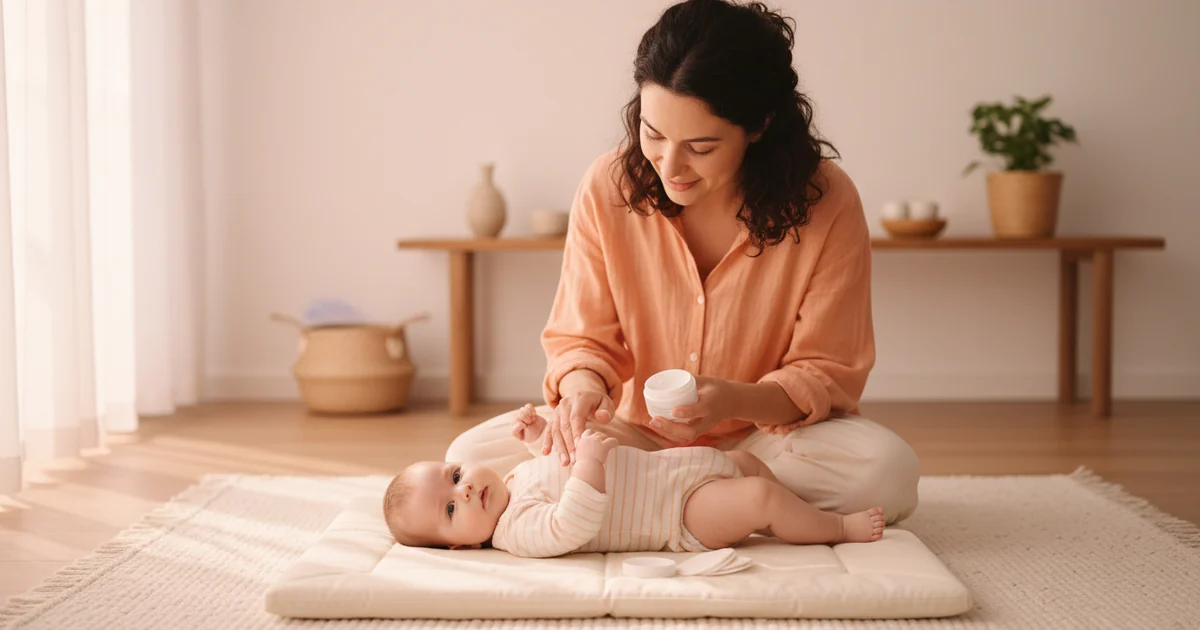
A newborn's skin feels silky soft and looks flawless to the touch. However, behind this delicacy lies a structure that is not yet fully formed, defenseless, and sensitive. Many parents automatically assume that the brightly colored, beautifully scented "baby" shampoos and creams on store shelves are completely safe. But the reality is not always so, and it is important to be informed about the ingredients in baby products.
Baby skin is thinner than adult skin, can lose moisture quickly, and is more sensitive to certain substances in the external environment. Therefore, every product you apply to your baby's skin is not just a cosmetic, but a factor that can affect their health. Choosing the right product is essential to protect your baby's skin and support their healthy development.
Why Does Baby Skin Require Special Attention?
Adult skin acts as a relatively strong barrier against harmful chemicals, bacteria, and allergens. In babies, this protective barrier is not yet fully formed and is more sensitive for several reasons:
- Thinner Structure and Higher Permeability: The epidermis, the outermost layer of a baby's skin, is thinner compared to adults. This can lead to easier absorption of substances applied to the skin. Also, the ratio of a baby's body surface area to their weight is greater than that of adults. This means that substances applied to the skin can have a relatively higher concentration effect on the body.
- Sensitivity of pH Balance: After birth, a baby's skin pH is close to neutral, and over time, an acidic level (pH 5.5) forms. This acid mantle protects the skin from infections. Harsh soaps and alkaline shampoos can disrupt this natural balance, leading to dryness, irritation, and problems like eczema.
- Developing Skin Barrier: The protective function of a baby's skin is not yet fully mature. This causes the skin to lose moisture more quickly and be more sensitive to external irritants. As a result, the risk of diaper rash, redness, and allergic rashes increases.
Reading Labels: Which Ingredients to Pay Attention To?
When buying baby care products, it is important to pay attention to the ingredient list (INGREDIENTS) on the back, rather than marketing phrases like "Natural," "Hypoallergenic," or "Gentle" on the front of the product. The table below shows some common ingredients and points to consider regarding them:
| Ingredient | Points to Consider | Potential Effects |
|---|---|---|
| Synthetic Fragrances (Fragrance / Parfum) | Can be a mixture of thousands of different chemicals. Fragrance-free products are a safer choice. | One of the most common factors that can cause allergies, irritation, and rashes in sensitive skin. |
| Cleansers and Foaming Agents | Look at the entire product formula, concentration, and your baby's reaction. Avoid harsh soaps. | Some cleansers, especially SLS, can irritate sensitive skin. The label "sulfate-free" alone does not guarantee gentleness. |
| Parabens (Methyl-, Propylparaben, etc.) | Preservatives that prevent the growth of bacteria and fungi in the product. | Can cause skin irritation in some people. Although there are discussions in scientific research about their potential effects on the hormonal system, they are considered safe in the amounts permitted for cosmetic use. |
| Essential Oils | Although "natural," some (e.g., citrus, mint, tea tree) can be too strong for baby skin. | Can cause irritation, photosensitivity (sensitivity to sunlight), and allergic reactions. |
| Mineral Oil and Petrolatum | Highly refined, pharmaceutical-grade petrolatum is safe and very beneficial. | Refined petrolatum creates an effective barrier on the skin that locks in moisture and protects against external moisture (e.g., urine). It is an ideal ingredient in diaper rash creams. |
| Alcohol (Alcohol Denat, Ethanol) | Used as a solvent or preservative in some products. | Can excessively dry out the skin and weaken its natural barrier. (Fatty alcohols like Cetyl, Stearyl, however, have moisturizing properties and are not harmful). |
Practical Tips for Safe Baby Skin Care
You don't need to buy expensive and numerous products to protect your baby's skin. On the contrary, the "less is more" principle is often the best approach:
- Minimalist Approach: For newborns, bathing with just lukewarm water is sufficient in the first few weeks. If needed, you can use a small amount of a gentle, fragrance-free cleanser suitable for babies. If the skin is dry, apply a fragrance-free moisturizer only to the dry areas.
- Cleaning with Water and Cotton: While wet wipes are practical, the preservatives and sometimes fragrances in them can cause irritation on sensitive skin. When changing diapers at home, cleaning with cotton wool soaked in lukewarm water or a soft cloth is the gentlest method.
- Effective Diaper Rash Cream: To prevent and treat diaper rash, prefer barrier creams containing zinc oxide or pharmaceutical-grade petrolatum. These creams create a barrier that isolates the skin from moisture, allowing it to heal.
- Patch Test New Products: Before applying a new product to your baby's entire body, rub a small amount on a small area, such as the inside of their arm or behind their ear. Check for redness, rash, or irritation within 24 hours. Remember that this test may not show all potential reactions, but it is helpful in many cases.
"Natural" and "Hypoallergenic" Labels: What Do They Mean?
Parents often rely on labels like "natural," "organic," or "hypoallergenic." However, these terms do not always guarantee complete safety.
"Natural" products may contain plant-derived ingredients, but some plant extracts and essential oils can be quite irritating to baby skin. Also, "natural" products still need preservatives to prevent spoilage.
“Hypoallergenic” is a marketing term and does not prove that the risk of allergy is low in all children. No label guarantees zero risk. Choose an age-appropriate, fragrance-free product that your baby tolerates; if there is a previous reaction or eczema, consult a doctor.
When to Consult a Doctor?
Some skin conditions in your baby may require medical intervention rather than home care. In the following cases, consult your pediatrician or dermatologist without delay:
- Spreading or Blistering Rashes: If the rash spreads over a large area in a short time, forms fluid-filled blisters, is oozing, or crusty.
- Fever and General Discomfort: If, in addition to a skin problem, the baby has a fever (especially in babies younger than 3 months, a temperature of 38°C or higher requires urgent medical evaluation), lethargy, loss of appetite, or severe discomfort.
- Diaper Rash Not Responding to Treatment: Diaper rash that does not improve within 2-3 days with ordinary barrier creams, worsens, is bright red, or spreads beyond the main folds may be a sign of a fungal infection.
- Signs of Severe Allergic Reaction: Symptoms such as severe redness, hives, swelling of the face or tongue, and difficulty breathing that occur immediately after product use require urgent medical attention.
Keep Anacan-Related Notes in One Place
Remembering daily details can be tiring. With Anacan's existing tools, you can record the following information and share it more clearly at your next doctor's appointment:
- Diaper notes: Record the time of wet, soiled, and mixed diapers. This information can help the doctor assess feeding, but it does not diagnose dehydration or other illnesses on its own.
- Growth charts: Enter weight, height, and head circumference measurements with the appropriate date and discuss growth dynamics with your pediatrician.
It is possible to share feeding, sleep, and diaper records in the Doctor's Report. Existing access and Premium terms for tools apply. Do not delay medical assistance to record an urgent symptom in the application.
Frequently asked questions
Why is baby skin more sensitive than adult skin?
Baby skin is thinner, and its protective barrier and pH balance are not yet fully formed. For this reason, the skin loses moisture more quickly and reacts more readily to external factors, including some product ingredients.
Which ingredients are best to avoid in baby products?
Fragrance, some essential oils, harsh soaps, and drying alcohol can irritate sensitive skin. Look at the overall product formula and your baby's reaction. It is not correct to automatically consider permitted preservatives and pharmaceutical-grade petrolatum as harmful.
Are products labeled "natural" or "hypoallergenic" always safe?
No. Natural ingredients can also cause irritation, and the "hypoallergenic" label does not guarantee that there will be no allergies. Choose an age-appropriate, fragrance-free product for your baby. A patch test on a small area does not exclude all reactions.
When should I consult a doctor if my baby develops a skin problem?
If the rash spreads, forms watery blisters, is oozing, if the baby has a fever (for babies younger than 3 months, a temperature of 38°C or higher is urgent), lethargy, or if the condition worsens despite ordinary diaper rash creams, you must consult a doctor.