 Anacan
Mommy · Pregnant
Breast Pump: Protecting Lactation and Supporting Milk Production
Breast pumps are invaluable helpers on the motherhood journey. This tool helps protect lactation, stimulate milk production, and provide comfort to the mother.
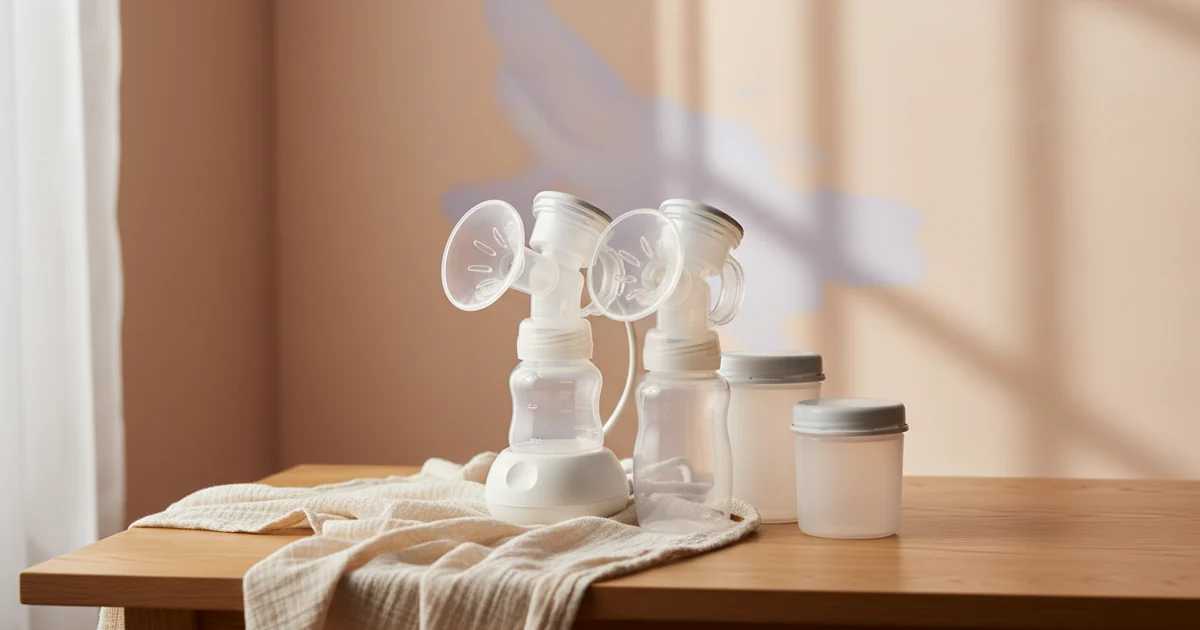
Breastfeeding doesn't always proceed with the ideal scenario of simply nursing the baby directly from the breast. There are stages in the motherhood journey when, for various reasons, it's not possible to breastfeed the baby at that moment. Sometimes, the necessity to return to work, sometimes the baby's inability to latch properly, and sometimes simply the mother's need for a few hours of uninterrupted sleep bring breast pumps into play.
Breast pumps are not just a means of "extraction"; they are, in fact, an invaluable helper that protects and stimulates the lactation process and grants the mother great freedom. By using this tool correctly, you can both protect your milk supply and ensure your baby always receives breast milk. Let's delve into all the details of this important process, the secrets of choosing a pump, and how to express milk effectively.
Why Might a Breast Pump Be Necessary?
Many mothers think during pregnancy, "I'm at home anyway, why do I need to pump milk?" However, experience shows that having a breast pump is vital in many situations:
- Reducing Breast Engorgement and Discomfort: In the first days after birth, a sudden and massive influx of milk into the breasts can occur. When breasts become overly engorged or hard, it can be difficult for the baby to latch properly. Pumping a small amount of milk (without fully emptying the breast) at this time softens the breasts, helps the baby nurse comfortably, and increases the mother's comfort.
- Premature or Special Needs Babies: Babies born prematurely or those in an incubator may not yet have a fully developed suckling reflex. Some babies cannot be fed directly from the breast for medical reasons. In such cases, the mother regularly expressing her milk to feed the baby is the best source of nutrition for their development.
- Creating a "Milk Bank" for the Future: When the mother has work outside the home, needs to take medication due to illness (after consulting a doctor), or simply wants the baby to spend a few hours with their father, a pre-stored supply of frozen milk prevents the baby from being deprived of breast milk. This provides flexibility and comfort to the mother.
- Stimulating Milk Production: Sometimes, the mother's milk production does not fully meet the baby's needs. Regular use of a breast pump, especially in the first weeks after birth, sends a signal to the breasts to produce more milk.
Types of Breast Pumps: Which One to Choose?
When buying a pump, your needs, budget, and frequency of use play a key role:
- Manual Pumps: Suitable for mothers who will pump very rarely (once or 1-2 times a week) or who only want to express a small amount of milk to soften their breasts. They are quiet and do not require electricity, but they can tire the hand and the process can take a long time. Learning manual expression techniques is also very beneficial.
- Electric Single Pumps: Practical for those who pump 1-2 times a day. They are fast and convenient, but since they only pump one breast at a time, they take longer.
- Electric Double Pumps: The best choice for working mothers or those who exclusively pump. Pumping both breasts simultaneously saves time and can stimulate prolactin levels in the body more than single pumping, which helps support milk production.
Golden Rules for Effective and Comfortable Pumping
The amount expressed can vary depending on the day, the last feeding, the pump's fit, and your comfort. This amount alone does not indicate whether your milk supply is sufficient or how much the baby drinks from the breast. If the output is low, first check the flange, vacuum, and technique; if there are concerns about weight and wet diapers, seek a professional feeding assessment.
- Comfortable Start: Sit comfortably and start with a low, pain-free vacuum. A short warm shower can provide comfort to some mothers, but avoid long hot compresses and strong deep massages. Do not forcefully try to "fully empty" a red, hot, and inflamed breast; excessive pumping can worsen engorgement and inflammation.
- Your Baby's Scent and Picture: Oxytocin, the hormone that facilitates milk flow, is linked to feelings of love and comfort. While pumping, look at pictures of your baby, watch a video of them, or smell a piece of their clothing. Stress blocks oxytocin, while relaxation releases it.
- Correct Flange Size: The most common mistake! The plastic flange of the breast pump that sits on the nipple must be the correct size. During pumping, the nipple should move freely in the flange tunnel, without rubbing against the walls. At the same time, a large part of the areola should not be pulled into the tunnel. The wrong size causes pain and hinders milk flow.
- Relaxing Environment and Deep Breathing: Create a comfortable environment during pumping. Sit in a quiet room, take deep breaths, and try to relax.
- Vacuum Level: Increase the pump's vacuum level to the highest comfortable level that provides effective pumping without causing pain. A high vacuum does not always mean more milk; on the contrary, it can damage the breasts.
Pumping Regimen to Support Milk Production
Mammary glands work on a "supply and demand" principle. The more frequently the breast is emptied, the more the brain receives the signal "more milk is needed." If you think your milk supply is decreasing, it's best to talk to a lactation consultant. Some mothers benefit from the following methods:
Regular Pumping Schedule
If you are separated from your baby for a long time or are exclusively pumping, it is important to establish a regular schedule to maintain milk production. In such cases, you may need to pump every 2-3 hours, meaning approximately 8-12 times a day. Every mother's needs are different, so it's important to find a regimen that suits your body and your baby's needs.
"Power Pumping" Technique (Optional)
This technique is used to mimic the frequent nursing during a baby's growth spurt to increase milk supply. It is not necessary for everyone, and its effectiveness can be individual. You can try applying the following schedule once a day, for one hour:
- Pump for 20 minutes.
- Take a 10 minute break.
- Pump again for 10 minutes.
- Another 10 minute break.
- Final pump for 10 minutes.
It is recommended to consult a lactation specialist before trying this method.
Safe Storage Guidelines for Breast Milk
To avoid wasting your precious expressed milk, you need to know its exact storage times. These guidelines are for healthy, full-term babies. For babies in the hospital, premature, or with weakened immune systems, learn different storage guidelines from medical personnel.
| Environment | Temperature | Storage Duration |
|---|---|---|
| Room temperature | Up to 25°C | Up to 4 hours |
| Refrigerator | 4°C or lower | Up to 4 days |
| Freezer | -18°C or lower | Using within 6 months is a conservative choice; for longer storage, refer to freezer conditions and pediatrician's instructions. |
Key Rules:
- Thawing: Thaw frozen milk by placing it in the refrigerator overnight or under cool running water, not at room temperature. Once fully thawed, milk should be used within 24 hours if kept in the refrigerator (this period begins after the milk is fully thawed).
- Warmed milk: After warming or bringing to room temperature, use the milk within 2 hours. Durations may vary across different sources; the stricter medical guideline given for your baby is preferred.
- Heating: Warm milk in a container of warm water. Never heat in a microwave, as this can reduce the nutritional value of the milk and cause uneven heating, potentially burning the baby's mouth.
- Re-use: Any milk remaining in the bottle after the baby's feeding should be used or discarded within 2 hours. Never refreeze thawed milk.
- Cleanliness: After each use, breast pump parts should be washed with warm soapy water and thoroughly air-dried. If the baby is younger than 2 months, premature, or has a weakened immune system, pump parts should be sterilized at least once a day.
When is Professional Help Needed?
Some lactation-related situations may require professional medical attention:
- Symptoms of Mastitis: If you experience severe pain, redness, swelling in your breasts along with flu-like symptoms (malaise, chills), or have a fever of 38°C or higher, this could be a sign of mastitis. Seek medical attention immediately.
- Problems with Baby's Weight Gain: If your baby is not gaining enough weight or has fewer wet diapers (less than 6 per day), this may indicate insufficient milk supply or transfer to the baby. Consult a lactation specialist or pediatrician.
- Persistent Pain or Cracked Nipples: If you experience persistent pain during breastfeeding or pumping, or have unhealing cracked nipples, this may be due to incorrect technique. A lactation specialist can help.
- Emergency Situation with Baby: A fever of 3°C or higher in babies younger than 38 months requires immediate medical evaluation.
Keep Anacan-Related Notes in One Place
Remembering daily details can be tiring. With Anacan's available tools, you can record the following information and share it more clearly at your next doctor's appointment:
- Feeding records: Record the side and duration of breastfeeding with a timer, and the volume of formula in ml. Duration does not measure the volume of milk consumed; discuss records in conjunction with the baby's weight and clinical assessment.
- Growth charts: Enter weight, height, and head circumference measurements with the appropriate date and discuss growth dynamics with your pediatrician.
Feeding, sleep, and diaper records can be shared in the Doctor's Report. Available access and Premium terms of the tools apply. Do not delay medical assistance to write a note in the app for emergency symptoms.
Frequently asked questions
How often should I use a breast pump?
This depends entirely on your situation. If you are exclusively pumping, you may need to pump every 2-3 hours (about 8-12 times a day) to maintain your milk supply. If you are just pumping for a stash or pumping at work, your schedule will be different. There is no one-size-fits-all rule.
How should I warm expressed breast milk?
Never warm expressed breast milk in a microwave. The safest method is to slowly warm the milk bottle or bag by placing it in a container of warm water or holding it under warm running water. Check the milk's temperature by dripping a small amount on your wrist – it should be body temperature or slightly warm, not hot.
How often should I sterilize breast pump parts?
After each use, wash all parts of the pump that come into contact with milk with warm, soapy water and allow them to air dry. Sterilization is not required daily, but it is recommended to sterilize these parts at least once a day if your baby is younger than 2 months, premature, or has a weakened immune system.
The amount of milk I pump is very small, does this mean I have low milk supply?
Not necessarily. Pumping output can vary with pump fit, technique, timing, and comfort, and does not solely measure overall milk supply. The baby's weight, wet diapers, and effective nursing should be assessed. Use a pain-free vacuum and appropriate flange; if you have concerns, consult a lactation specialist.