 Anacan
Pregnant · Mommy
Preparing for Hospital Discharge: Your Guide to Bringing Baby Home
Prepare to safely bring your baby home from the hospital. Essential tips for your hospital bag, car seat, home environment, and the first few days.
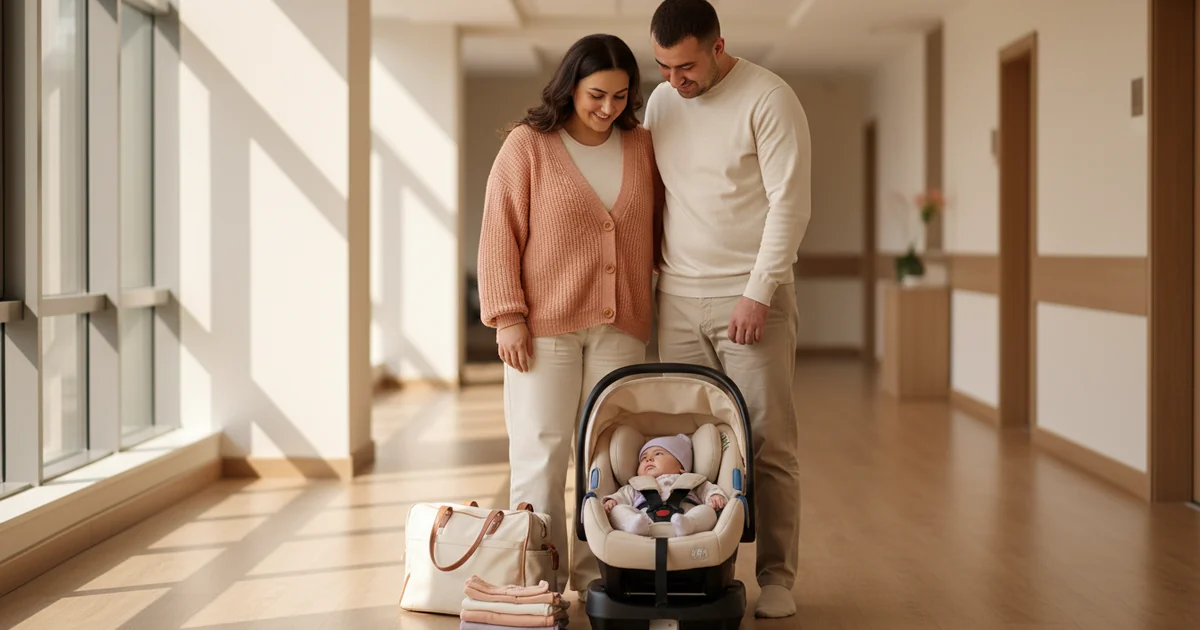
The final weeks of pregnancy are a period filled with great excitement, impatience, and at the same time, minor anxieties for every expectant parent. Questions like, "Did I pack my hospital bag completely?", "Did I forget anything in the baby's room?", "What should we do first when we get home?" might constantly swirl in your mind. This is completely natural and part of the journey to parenthood.
After birth, you will experience a significant change, both physically and emotionally. This is precisely why preparing for hospital discharge and returning home in advance, calmly and systematically, is the most effective way to minimize the stress of the first few days. Let's look at what you should do step-by-step, starting from 34–36 weeks of pregnancy, and examine every detail together.
The Hospital Bag: A Three-Part Preparation Plan
It's not advisable to leave packing your hospital bag until the last minute, as babies sometimes decide their own arrival dates. Preparing the bag in advance will give you peace of mind. To make your task easier, divide your bag into three separate sections: for the mother, for the baby, and for the person supporting you during labor.
1. Essentials for the Baby:
- Going-home outfit (1-2 sets): Season-appropriate, cotton clothes with seams that won't irritate the baby's skin. Wash the clothes beforehand with an appropriate detergent; special "baby" detergent and ironing are not mandatory.
- Diapers (Newborn / 1 size): A few for the first few days.
- Cleaning supplies: Alcohol-free, fragrance-free wet wipes or simply cotton pads moistened with lukewarm water.
- Blanket or going-home swaddle: A thin cotton blanket or a thicker, wind-protective swaddle, depending on the season.
- Hat: Intended only for outdoor use when leaving the hospital. For safety and to reduce the risk of overheating, the baby should not wear a hat indoors or while sleeping.
2. Essentials for the Mother:
- Comfortable clothing: Loose, cotton nightgown or robe that allows for easy breastfeeding. Comfortable clothing that doesn't constrict your body for discharge from the hospital.
- Breastfeeding supplies: Nursing bras and breast pads to prevent milk leakage.
- Personal hygiene items: Special postpartum pads, comfortable underwear, moisturizing cream, and lip balm.
- Documents: Identification cards, pregnancy tracking card, test results, and insurance documents should be ready in a separate folder.
3. Essentials for the Supporting Person:
- Phone and power bank: For staying in touch and capturing special moments.
- Small snacks and water: For long waiting periods.
- Comfortable clothing and shoes.
The Journey Home: Safe Transportation for Your Baby
That first journey home with your baby from the hospital will be one of the most unforgettable moments of your life. However, the most important aspect here, alongside romance, is safety. Carrying the baby in your arms is absolutely not safe.
- Car Seat is Essential: The only safe way to transport a baby is in a rear-facing car seat designed for newborns, which meets local safety standards. Purchase the car seat before birth and learn how to install it correctly in the car according to the instructions.
- Pay Attention to Clothing: When placing the baby in the car seat, they should not be wearing thick, bulky snowsuits or thick jackets. Such clothing can prevent the safety harness from fitting snugly against the baby's body and could cause them to come out of the seat in the event of an accident. Dress the baby in clothing appropriate for room temperature, fasten the harness, and then you can cover them with a blanket or quilt.
Creating a Safe and Comfortable Home Environment
The moment you arrive home with your baby, having a quiet, clean, and comfortable home will ease the adjustment period for both you and your baby.
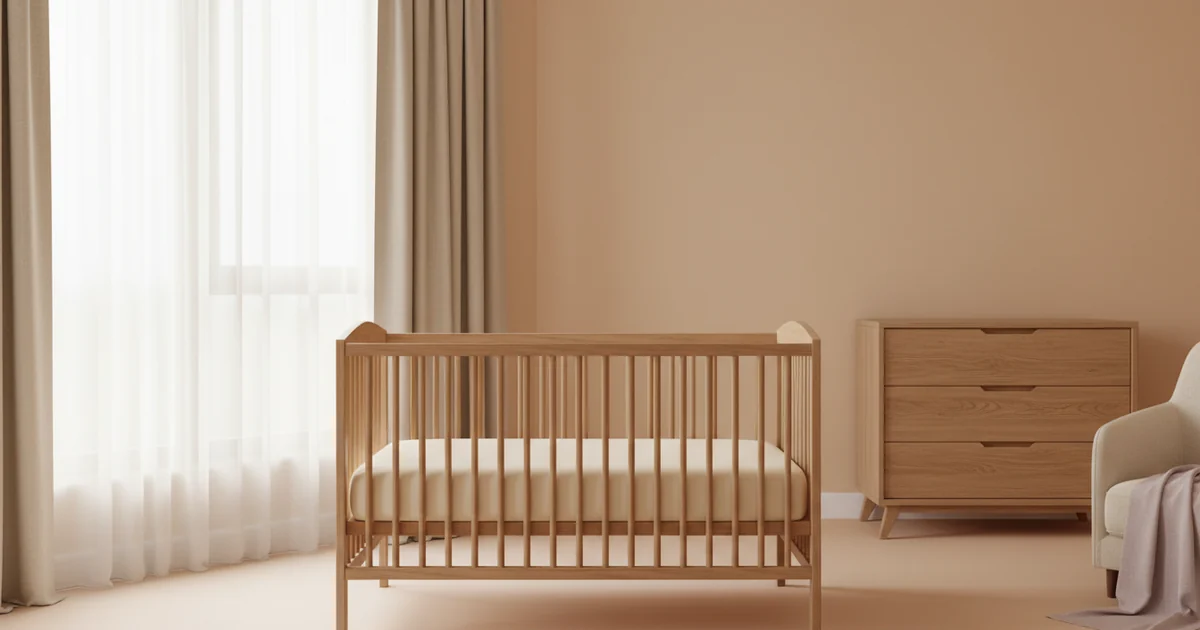
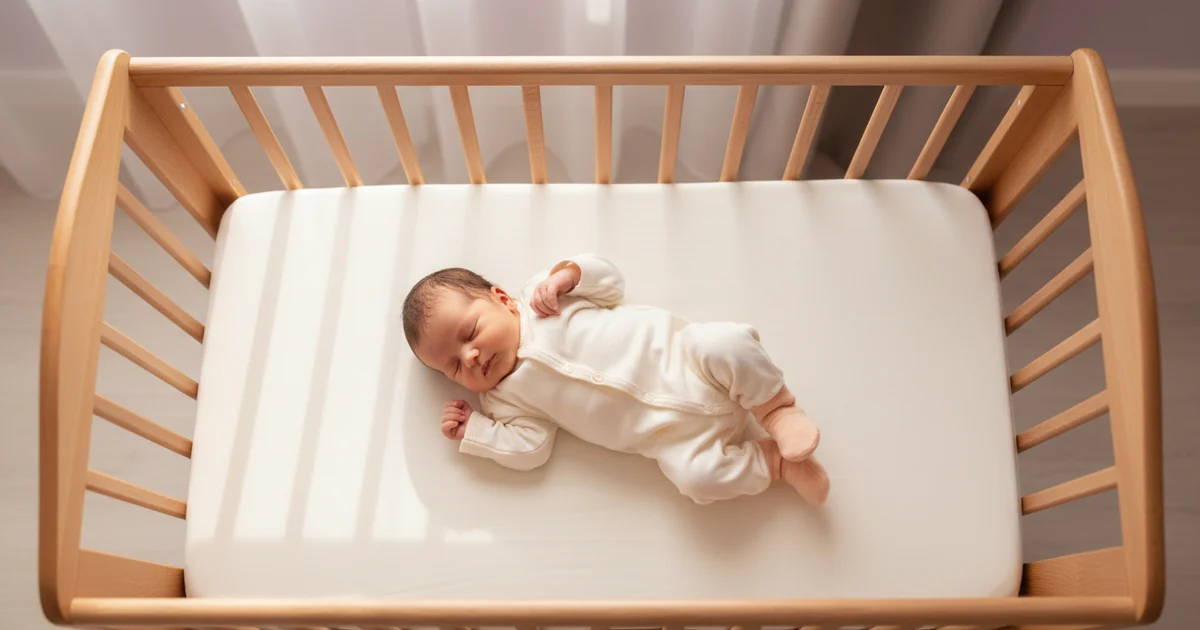
- Safe Sleep Space: It is recommended that the baby sleeps in the parents' room, but in their own crib (or bassinet), for at least the first 6 months. The crib mattress should be firm and flat. For safety, there should be no additional items inside the crib such as soft pillows, large toys, heavy or loose blankets, or crib bumpers. The crib should be completely empty for the baby's safe sleep.
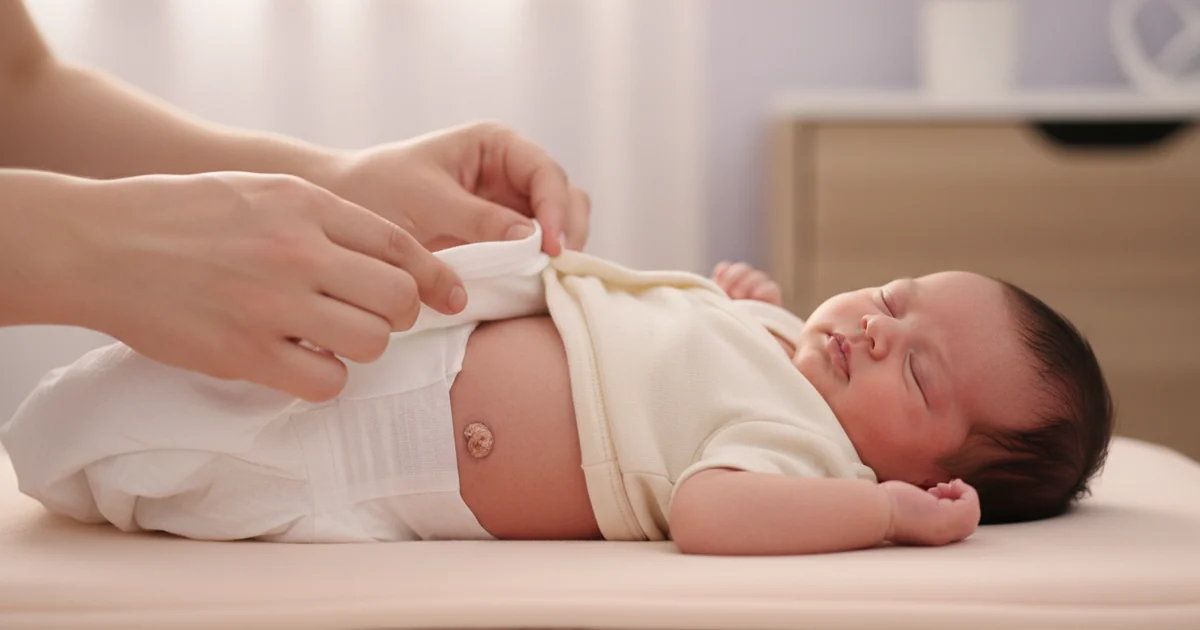
- Diaper Changing Station: Diapers, clean cotton, diaper rash cream, and a waste bin should be within reach next to the changing table or your designated changing area. Never leave the baby unattended on the changing table.
- Room Environment: The room temperature should be at a level where the baby feels comfortable – neither too hot nor too cold. Prevent the baby from overheating. Remember to ventilate the room regularly throughout the day and absolutely do not allow smoking in the house. Secondhand smoke is very harmful to babies.
Postpartum Support Plan for Yourself and Your Baby
In the first few weeks, your main focus will be on the baby's feeding, sleep, and your own physical recovery. Take these steps in advance to avoid wasting time on household chores:
- Meal Plan: Preparing and storing several weeks' worth of healthy, homemade meals in the freezer in late pregnancy will significantly ease your life in the first few days.
- Set Boundaries for Visitors: It's natural for loved ones to want to congratulate you, but in the first few days, the mother and baby need peace, rest, and time to get used to each other. Don't hesitate to postpone receiving guests for a few weeks or ask for visits to be kept short.
- Ask for Help: Asking a friend or family member for help with household chores, cooking, or simply watching the baby for a few minutes while you rest is not a sign of weakness, but a sign of the care you show for yourself and your baby.
Medical Observation and Emergency Plan
Leaving the hospital doesn't mean everything is over. On the contrary, a new phase begins for monitoring your and your baby's health. Being prepared will give you confidence.
- First Doctor's Appointment: Before leaving the hospital, confirm when your baby's first pediatric check-up will be. This check-up is usually scheduled 3-5 days after birth to check the baby's weight, feeding, and jaundice levels.
- Emergency Contacts: Write down the contact numbers for your baby's pediatrician, your doctor, or a local clinic where you can get advice, and keep them in an easily visible place.
- When Emergency Care is Needed: Some symptoms require immediate medical intervention. If your baby is younger than 3 months and has a rectal temperature of 38°C or higher, this is a reason for immediate medical attention. Also, seek immediate medical attention if the baby has difficulty breathing, blue discoloration of the skin or lips, refuses to feed, persistent lethargy, or unusual irritability.
Keep Anacan-Related Notes in One Place
Remembering daily details can be tiring. With Anacan's available tools, you can record the following information and share it more clearly at your next doctor's appointment:
- Hospital bag: Use the Hospital Bag tool's checklist and add items required by your hospital.
- Doctor's appointments: Schedule doctor's appointments and vaccination dates in the calendar. Do not wait for the next appointment date if there is an urgent symptom.
- Sleep history: Track the daily rhythm by recording the start and end of sleep with a timer. The app does not monitor breathing during sleep and does not replace safe sleep guidelines.
Feeding, sleep, and diaper records can be shared in the Doctor's Report. Available access and Premium terms for tools apply. Do not delay medical help to write a note in the app for an urgent symptom.
Frequently asked questions
When should I start preparing my hospital bag?
It is recommended to start preparing your hospital bag from 34-36 weeks of pregnancy. Babies can sometimes arrive earlier than expected, so having the bag ready in advance will give you more peace of mind.
How should I safely transport my baby in the car?
To transport your baby in the car, you must use a rear-facing car seat designed for newborns. Ensure the car seat is installed correctly and that thick clothing does not interfere with the baby's harness. Never carry the baby in your arms.
What kind of environment should the baby's bedroom have?
The baby should sleep on their back in their own crib, on a firm and flat mattress. There should be no pillows, toys, blankets, or crib bumpers inside the crib. The room temperature should not be too hot, and the home should be completely smoke-free.
What symptoms in a baby's health require immediate medical attention?
If your baby is younger than 3 months and has a rectal temperature of 38°C or higher, seek immediate medical attention. Also, symptoms such as difficulty breathing, blue discoloration of the skin, refusal to feed, persistent lethargy, or unusually sharp crying require immediate medical examination.