 Anacan
Pregnant · Mommy
Baby Room: Creating a Safe, Comfortable, and Developmentally Supportive Environment
Preparing your baby's room is an exciting process. It's important that this space is not only beautiful but also a safe, comfortable, and developmentally supportive environment for your baby.
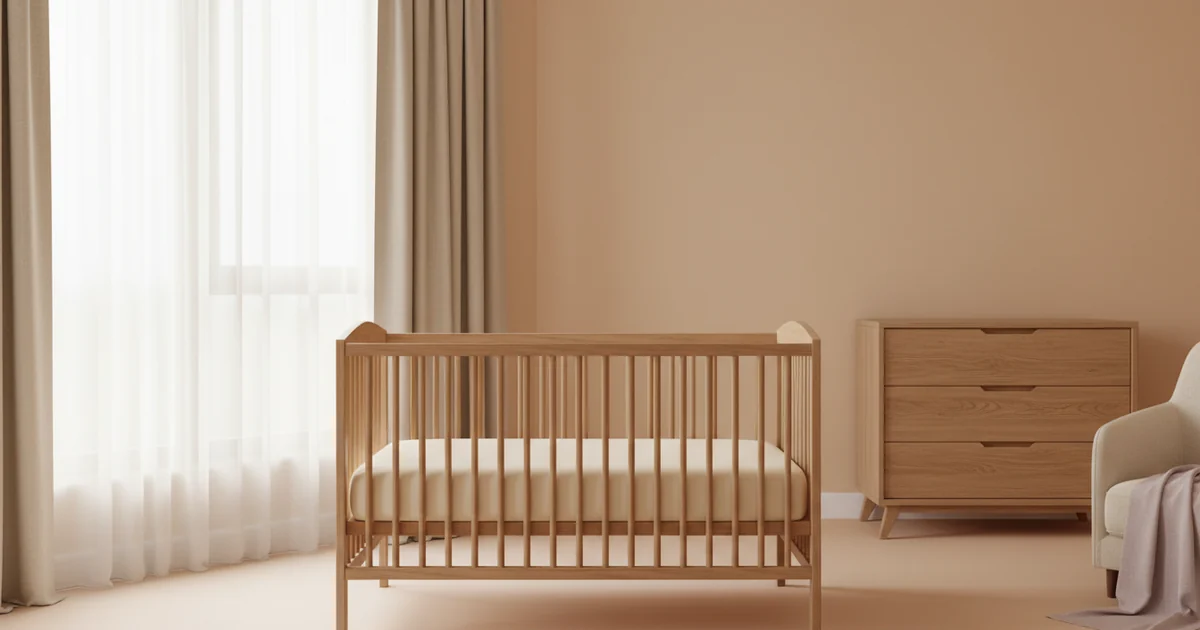
As you prepare for your baby's arrival, setting up their room is undoubtedly one of the sweetest and most exciting stages. Choosing colors, arranging furniture, and decorating the room with small details are unforgettable moments for every parent. However, there's a more important aspect than aesthetics: this room must first and foremost be a safe, comfortable sanctuary that supports your baby's healthy development.
Your baby will spend a significant portion of their time in this room during the first months and years of their life. Remember that for the first six months, it is recommended that the baby sleeps in the same room as their parents, but in their own separate bassinet or crib. This is the best approach for both parental convenience and baby's safety. Let's take a closer look at the three main pillars you should focus on when creating the ideal baby room – safety, comfort, and development.
First Pillar: Safety Above All Else
When preparing the baby's room, it's important to view every item as a potential source of danger and take preventive measures. You will see how vital these measures are when your baby starts crawling and walking. Safety measures should be continuously updated as your baby grows.
Furniture and Window Safety
- Anchor Furniture to the Wall: All heavy and tall furniture such as wardrobes, shelves, and dressers must be securely anchored to the wall. As children grow, they may attempt to climb on furniture, which can result in the furniture tipping over on them. Use the special wall anchors that come with the furniture.
- Windows and Curtains: Never place the crib directly in front of a window. This is to protect against drafts and reduce the risk of falling from the window. Curtain or blind cords pose a strangulation risk. The safest option is cordless blinds or curtains. If you have corded curtains, ensure the cord is gathered high enough that the baby cannot reach it.
Crib and Sleep Environment
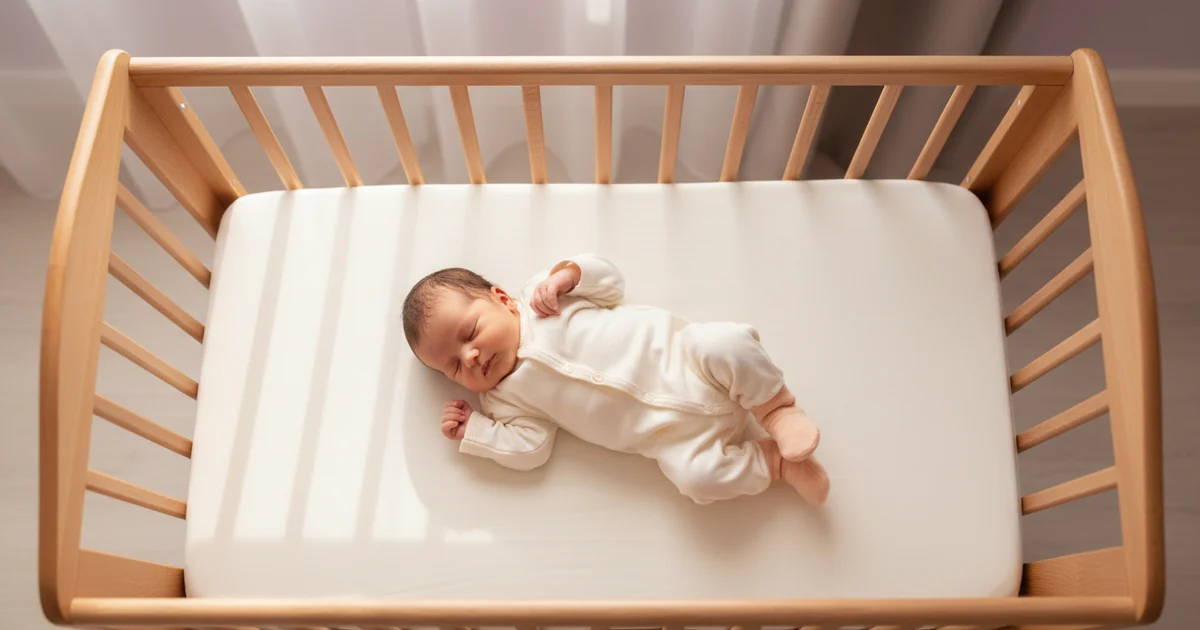
- Bare is Best Rule: The baby's crib should be completely empty. There should be no pillows, blankets, soft toys, bumpers, or other items inside. These items increase the risk of suffocation and Sudden Infant Death Syndrome (SIDS). Place the baby on their back on a firm mattress.
- Mobiles: Mobiles hanging over the crib should be at a height where the baby cannot reach them. When the baby starts to push up on their hands and knees (typically 4-5 months old) or pull themselves up, remove the mobile immediately. Follow the manufacturer's instructions.
Electrical and Other Hazards
- Electrical Outlets and Cords: All electrical outlets must be covered with protectors that comply with local safety standards. Prefer larger, sliding, or box-style protectors over small, removable caps, which can pose a choking hazard. Hide all electrical cords and wires behind furniture or cover them with special cable channels.
- Non-Toxic Materials: When renovating the room or choosing furniture, opt for paints that are “low VOC (volatile organic compounds)” or “water-based.” After painting, ventilate the room thoroughly for several days. Even products labeled “VOC-free” are not guaranteed to be completely risk-free, so ventilation is crucial.
Second Pillar: Comfort and a Calming Climate
The physical conditions of the room must be properly adjusted to soothe the baby and establish healthy sleep habits. A comfortable environment is essential for both the baby's physical and emotional well-being.
Room Temperature and Humidity
The ideal room temperature for babies is usually the temperature at which adults feel comfortable in light clothing. The main thing is not to overheat the baby. Dressing too warmly or overheating the room can increase the risk of SIDS. To check if the baby is warm, feel their tummy or the back of their neck; their hands and feet may be slightly cool, which is normal. If the room air is too dry, a humidifier can be used to moisten the respiratory tract. However, it is essential to clean the device daily and change its water to prevent mold and bacteria growth.
Lighting and Day-Night Rhythm
To help babies develop their internal biological clock (circadian rhythm), it is important to clearly differentiate between day and night. During the day, allow natural light into the room and keep the room bright during playtime. At night, especially during sleep, making the room as dark as possible helps with the secretion of sleep hormones. For newborns, complete darkness is not a requirement; the main thing is to ensure daytime activity and light, and nighttime calm and darkness. During night feedings or diaper changes, instead of turning on the main room light, use a dim night light with a warm tone (yellow or orange). This will prevent both you and the baby from fully waking up.
Third Pillar: Developmentally Supportive Environment
A baby's room is not just for sleeping, but also a space for them to explore the world, learn, and develop their skills. Properly chosen elements can greatly contribute to the baby's sensory, motor, and cognitive development.
Area for Sensory and Motor Development
- Contrasting Colors and Shapes: In the first months of life, babies' vision is limited, and they prefer sharp contrasting colors like black, white, and red, and simple shapes. Placing pictures or toys with such colors near the crib or play area will stimulate their vision.
- “Tummy Time” Zone: Create a clean, safe, and not too soft floor area in the room. This is an ideal space for the baby to spend tummy time when awake and supervised. Tummy time exercises strengthen neck, shoulder, and back muscles, which lays the foundation for later motor skills like crawling and sitting.
When to Seek Medical Help?
In addition to creating a safe and comfortable environment in your baby's room, it is important to be vigilant about certain health signs. In the following cases, it is recommended to consult a doctor immediately:
- High Fever: A rectal temperature of 38°C or higher in babies younger than 3 months requires immediate medical examination.
- Difficulty Breathing: Rapid breathing, wheezing or whistling sounds during breathing, flaring nostrils, or skin pulling in under the ribs.
- Lethargy or Excessive Irritability: Difficulty waking the baby, the baby being much sleepier than usual, or conversely, crying incessantly and being inconsolable.
- Refusal to Feed: Persistent refusal to feed, severe vomiting, or signs of dehydration (dry mouth, diaper remaining dry for more than 6-8 hours).
These symptoms can indicate a serious problem, and timely intervention is vital. Notes in the app are not for diagnosis, but only for informing the doctor.
Keep Related Notes in One Place with Anacan
Remembering daily details can be tiring. With Anacan's available tools, you can record the following information and share it more clearly at your next doctor's appointment:
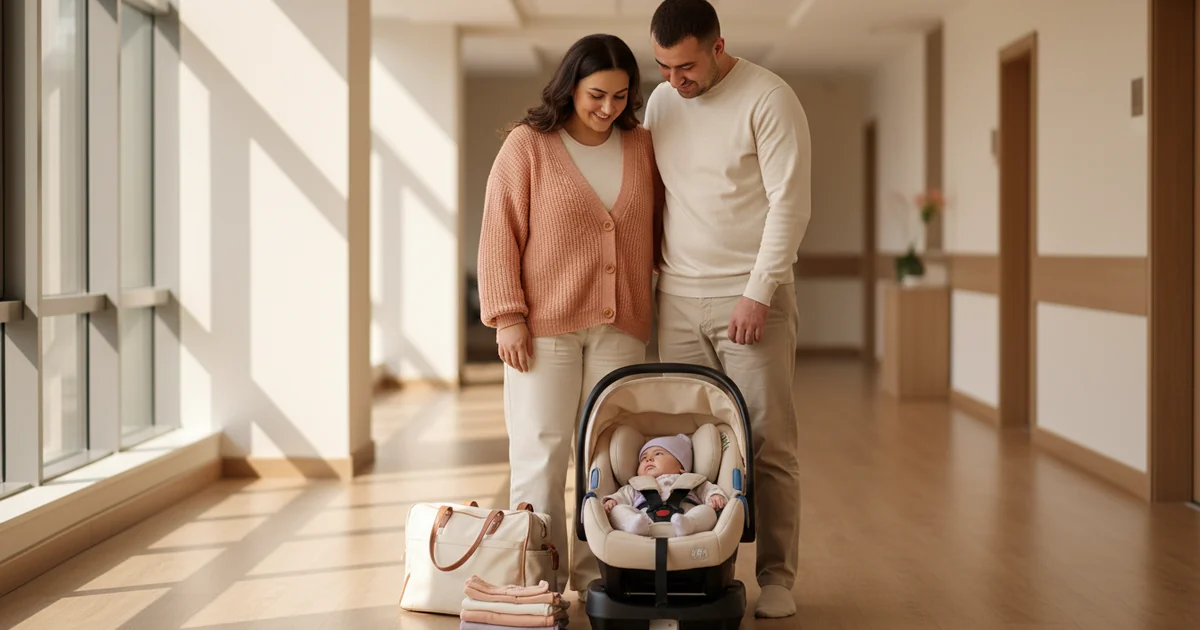
- Hospital Bag: Use the checklist in the Hospital Bag tool and add items required by your hospital.
- Sleep History: Track the daily rhythm by recording the start and end of sleep with a timer. The app does not monitor breathing during sleep and does not replace safe sleep guidelines.
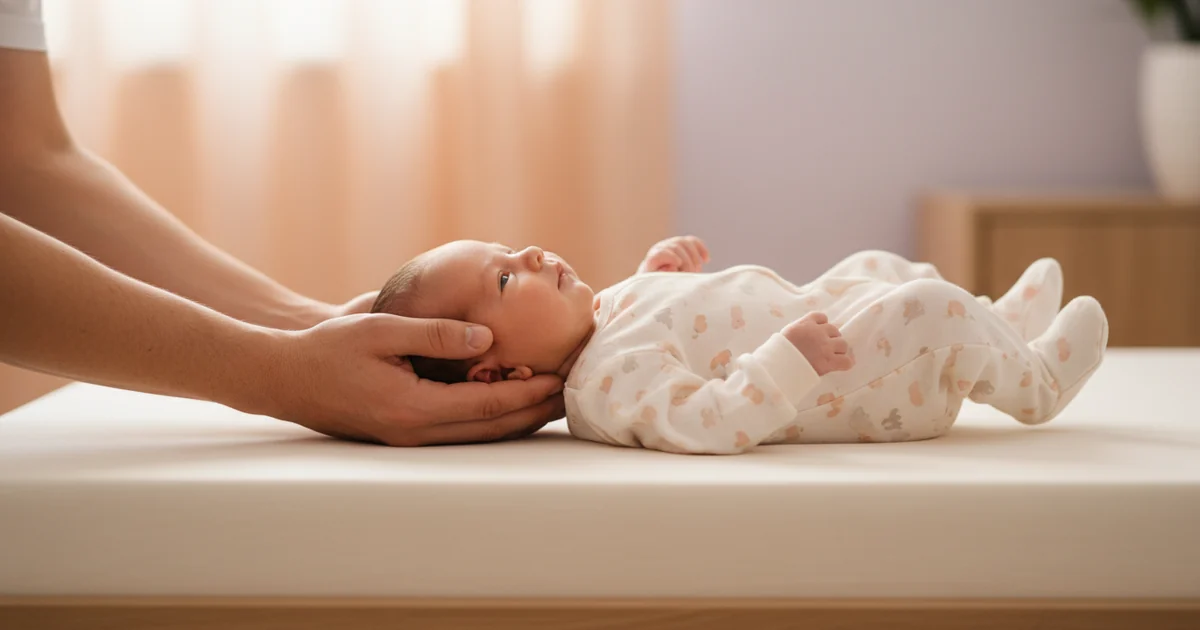
- Growth Charts: Enter weight, height, and head circumference measurements with the appropriate date and discuss growth dynamics with your pediatrician.
Feeding, sleep, and diaper records can be shared in the Doctor's Report. Available access and Premium terms for tools apply. Do not delay medical help to write a note in the app for urgent symptoms.
Frequently asked questions
What should be the ideal temperature and humidity in a baby's room?
There is no single medical temperature and humidity figure for all babies and climates. The room should be at a level where a lightly dressed adult feels comfortable, and the baby should not be sweating or have an overly warm chest. Refer to local safe sleep recommendations and clothing thickness. A humidifier is not essential; if you use one, keep it clean to prevent mold and bacteria growth.
What should I do for safe sleep in the baby's crib?
Place the baby on their back in their own bare crib on a firm, flat mattress for every sleep. Do not use pillows, loose blankets, toys, or bumpers. Remove the mobile when the baby attempts to push up on their hands and knees or at the manufacturer's earlier limit.
Which furniture in the baby's room should be anchored to the wall?
All heavy and tall furniture that a child can climb on or tip over, such as wardrobes, shelves, and dressers, must be securely anchored to the wall with special fasteners. This is a vital safety measure to prevent the furniture from tipping over on the baby.
How does the Anacan app help track the baby's daily routine?
With the Anacan app, you can easily record your baby's sleep durations, feeding amounts (breast milk or formula), diaper changes, and developmental milestones. This information helps you understand your baby's routine and create useful reports to share with your doctor.